
Transcranial Magnetic Stimulation
Roseville Center for Interventional Psychiatry
What is TMS?
Offering a non-invasive and Effective approach

What is TMS?
Offering a non-invasive and Effective approach
Transcranial Magnetic Stimulation (TMS) leads the way in mental health innovation, reshaping treatment approaches for depression and psychiatric disorders. By utilizing magnetic pulses to stimulate mood-regulating brain regions, TMS offers a non-invasive and effective solution. Unlike traditional methods, such as medication or electroconvulsive therapy (ECT), TMS minimizes side effects and eliminates the need for anesthesia.
Minimal Side Effects and No Anesthesia Required

At Roseville Center, our outpatient TMS sessions provide convenience without disruption to daily life. With strong research as support plus regulatory approval, TMS offers promise for those battling treatment-resistant depression and related conditions. Experience the transformative power of TMS at Roseville Center, where hope and healing converge.
How does it work?
Treatment Process
Step 1
Initial Consultation
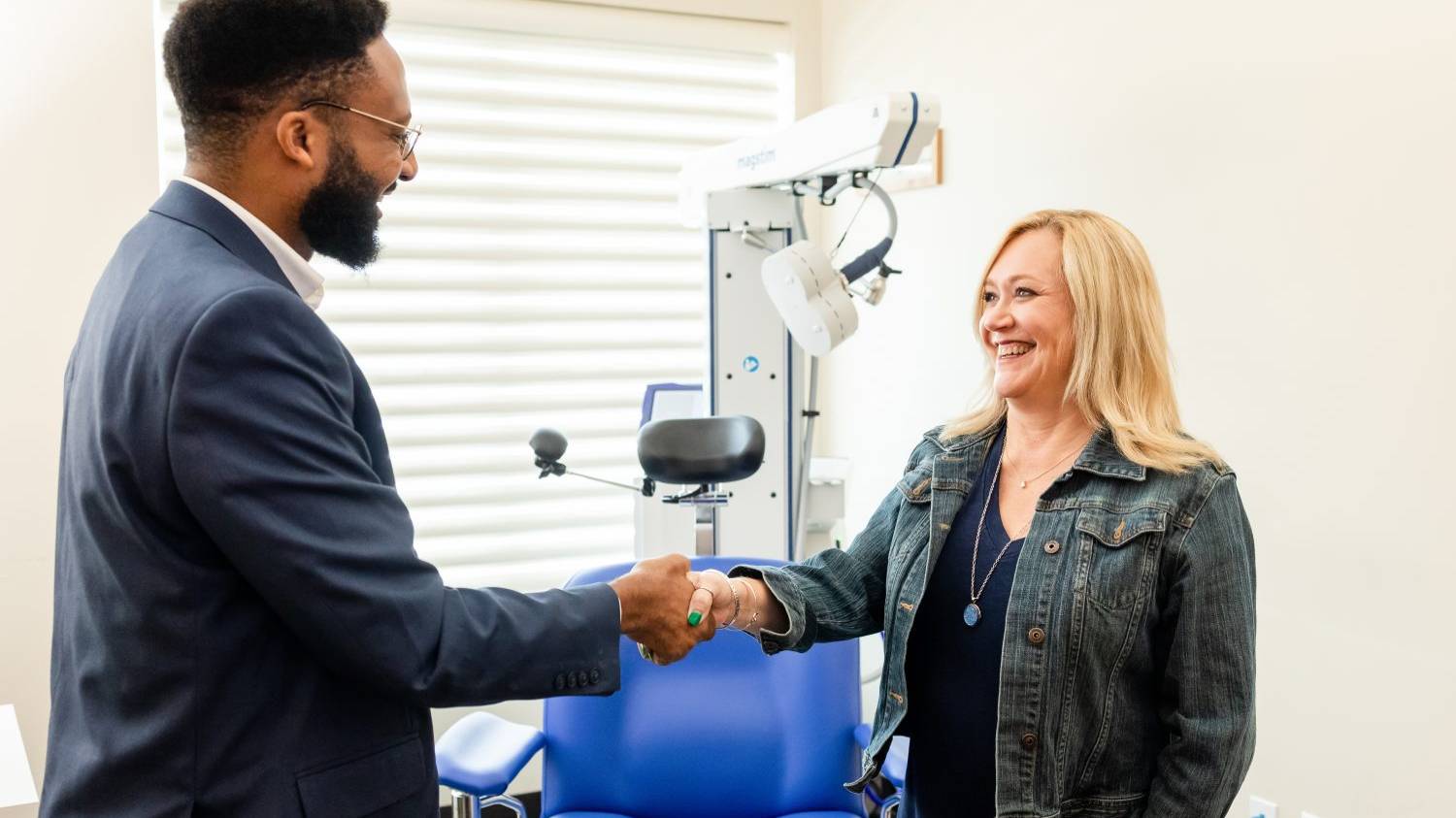
Initial Consultation Start with an initial consultation where our clinician assesses your medical history, current mental health symptoms, and treatment goals to determine if TMS is suitable for you.
Step 2
Treatment Plan
Following the evaluation, we develop a personalized treatment plan and perform brain mapping to target specific areas of the brain associated with your condition.
Step 3
TMS Sessions
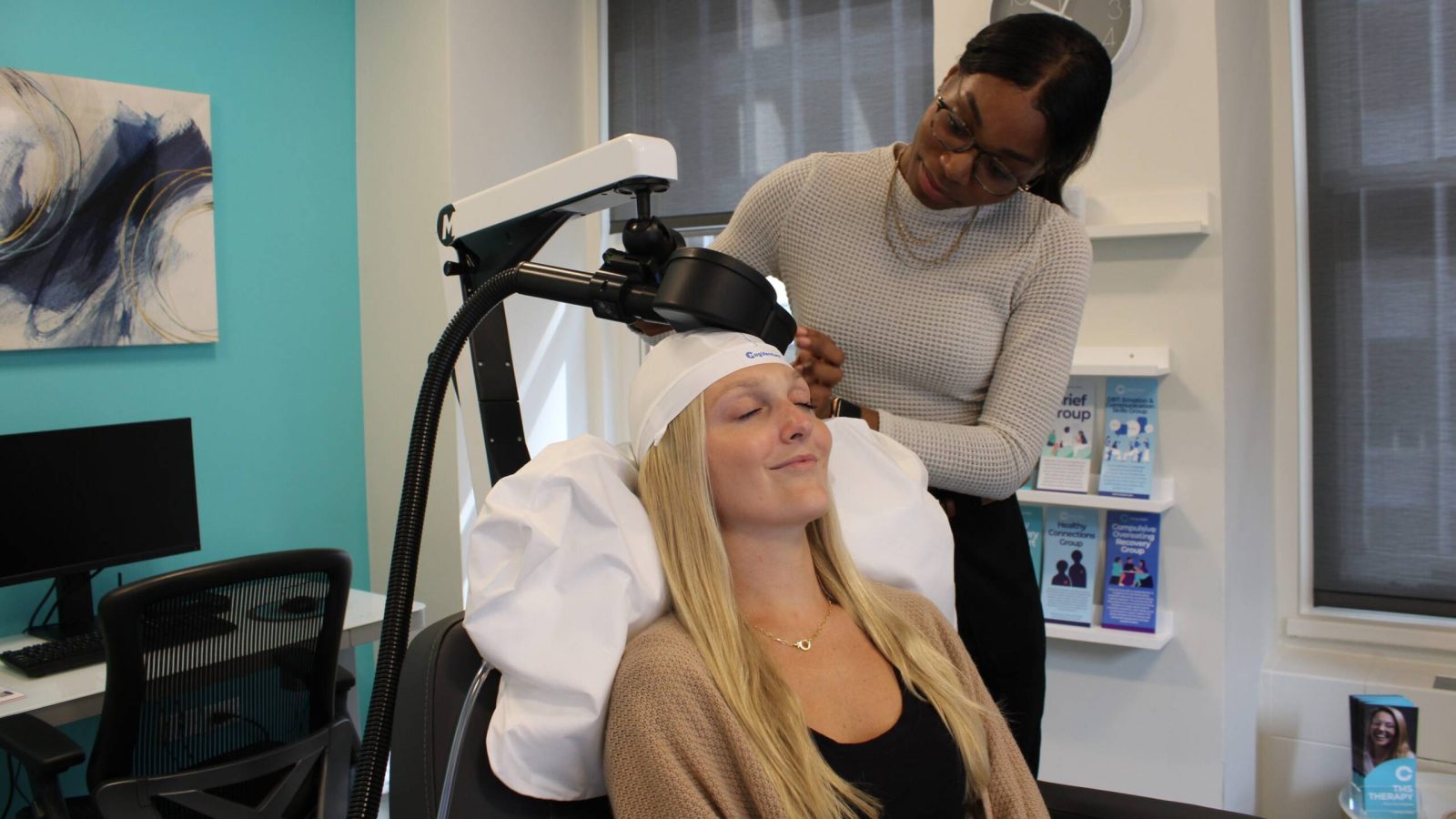
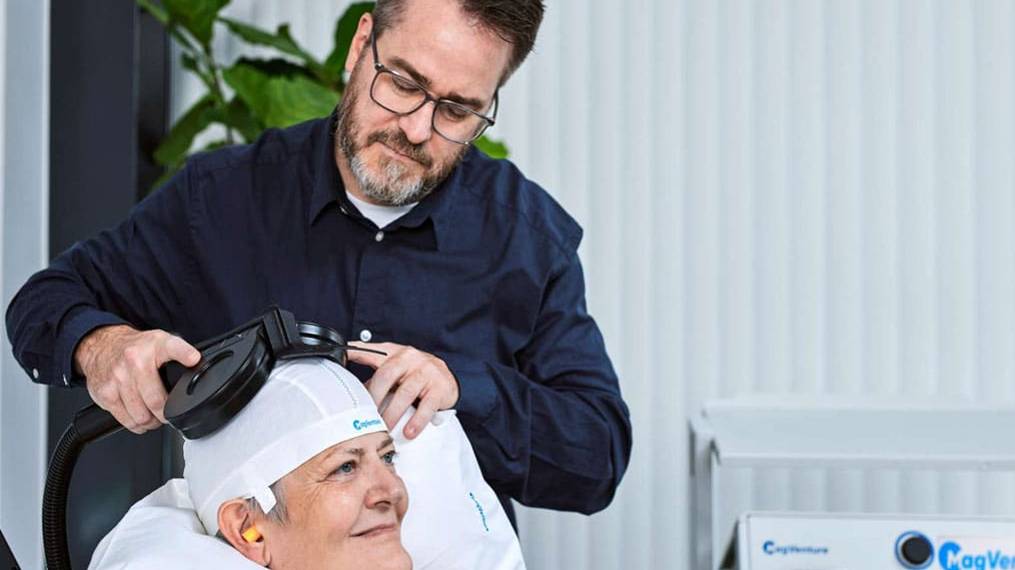
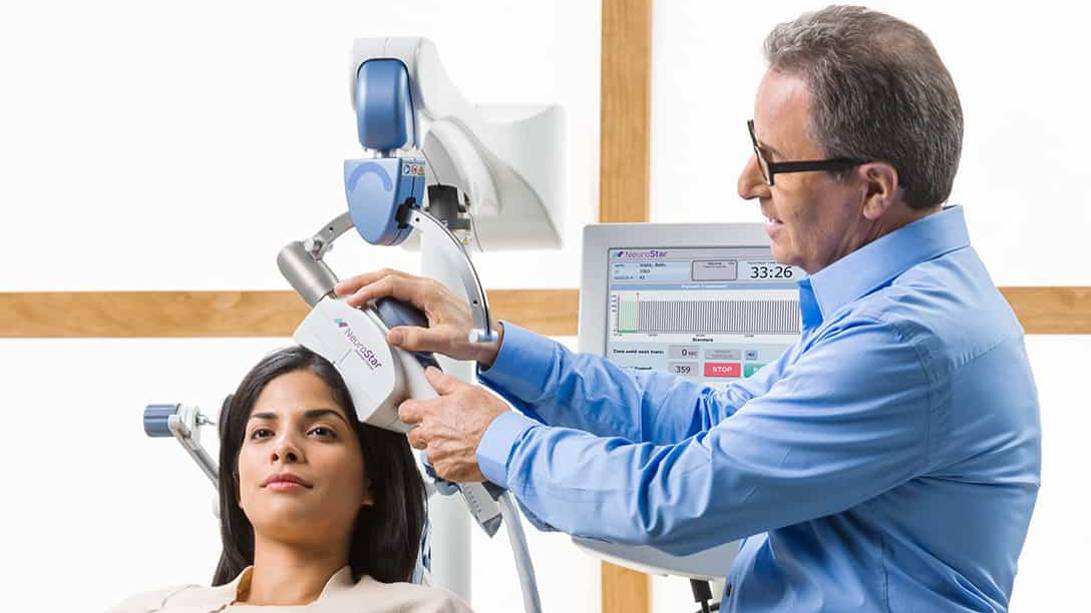
Undergo TMS sessions in our clinic. During each session, a magnetic coil is placed on the scalp to deliver magnetic pulses, stimulating brain activity.
Step 4
Ongoing Monitoring
Throughout the treatment course, we monitor your progress and make adjustments to optimize the effectiveness of TMS based on your response.


FAQ's
Frequently Asked Questions
These FAQs provide basic information about Roseville Center and treatments offered, but patients should always consult their healthcare provider for personalized advice and guidance.
WHAT IS TRANSCRANIAL MAGNETIC STIMULATION (TMS)?
TMS is a non-invasive procedure that uses magnetic fields to stimulate nerve cells in the brain. It primarily treats certain mental health conditions, such as depression, when other therapies have been ineffective.
HOW DOES TMS WORK?
During a TMS session, a healthcare provider places an electromagnetic coil against the scalp, delivering magnetic pulses to specific brain areas associated with mood regulation. Consequently, these pulses can help normalize brain activity and alleviate symptoms of depression.
IS TMS SAFE AND EFFECTIVE?
Indeed, the FDA approves TMS for depression treatment, and numerous clinical studies confirm its safety and efficacy. Moreover, most patients experience mild and temporary side effects or little to no discomfort during treatment.
WHO IS A CANDIDATE FOR TMS THERAPY?
TMS may be recommended for individuals with treatment-resistant depression or those who have not responded well to antidepressant medications. Additionally, it’s considered for patients who prefer non-pharmacological treatments or those who experience intolerable side effects from antidepressants.