Depression

Roseville Center for Interventional Psychiatry
Understanding Depression

What is Depression?

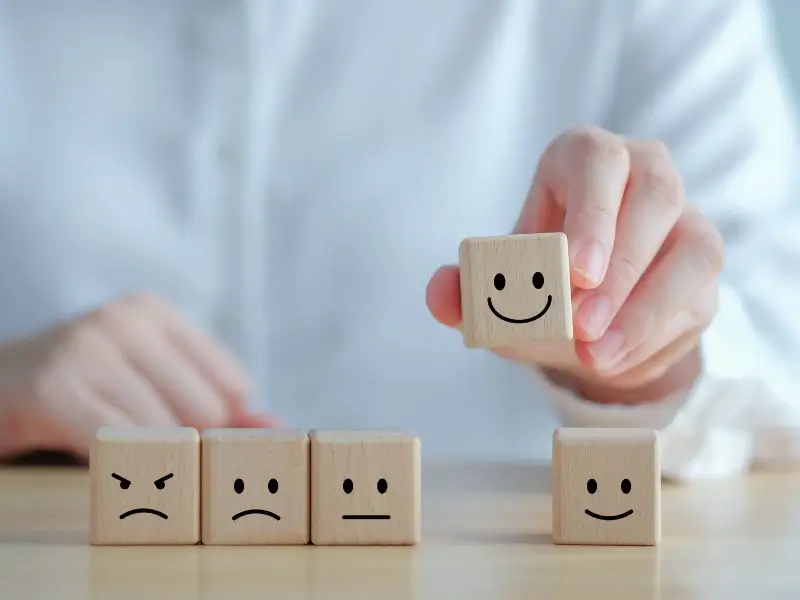
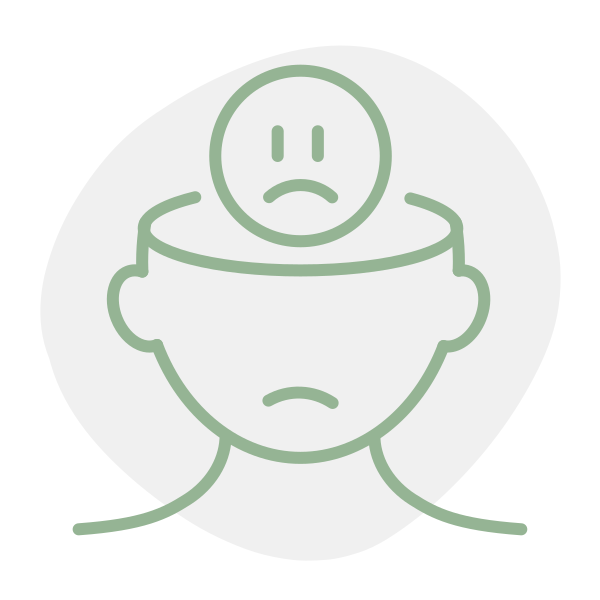
Depression, also known as Major Depressive Disorder (MDD), is a common, serious, and treatable mental health condition that affects millions of people worldwide. It can have a profound impact on an individual’s mood, thoughts, behavior, and overall quality of life. 

Symptoms of Depression

Overcoming Depression

Depression can manifest in a variety of ways, and symptoms can vary in severity from mild to severe.  At Roseville Center, we raise awareness and offer support and effective treatments to help individuals overcome this condition.

Awareness

Providing information to help understand and manage Depression.

Support

Offering a compassionate and understanding environment.

Effective Treatment

Utilizing evidence-based treatments.

Overcoming Depression

Overcoming Depression

Types of Depression

Major Depressive Disorder

Major Depressive Disorder

A mental health condition characterized by persistent and intense feelings of sadness and loss of interest lasting at least two weeks.

Seasonal Affective Disorder

Seasonal Affective Disorder

A type of depression that occurs at a specific time of year, usually in the winter, due to reduced sunlight exposure.

Persistent Depressive Disorder

Persistent Depressive Disorder

A chronic form of depression with long-term symptoms lasting for at least two years, often less severe but more enduring than MDD.
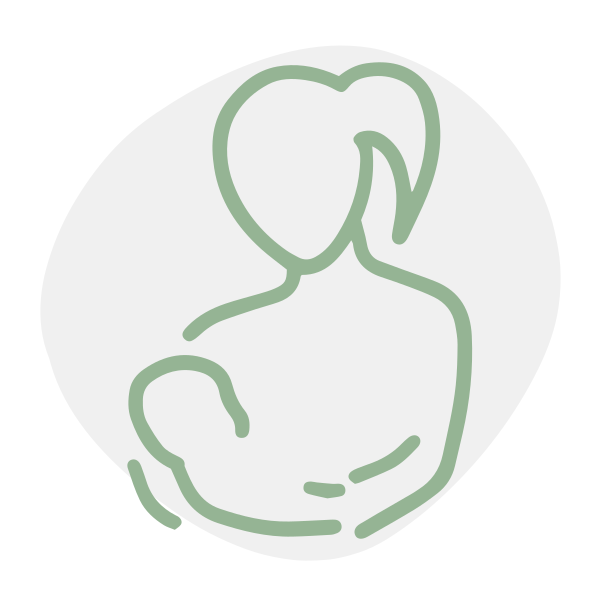
Postpartum Depression

Postpartum Depression

A type of depression that occurs after childbirth, marked by severe mood swings, exhaustion, and feelings of hopelessness.

How Can Therapy Help?

How Can Therapy Help?

How Can Therapy Help?

  • Identify & Understand

    Therapy helps identify the cycle of depressive mood and negative thoughts and their impact on the individual.

  • Skill Building

    Building coping skills to manage symptoms, including relaxation techniques, mindfulness, acceptance, challenging unhelpful thoughts, and emotion regulation.

  • Behavior Change

    Using therapeutic support and evidence-based interventions such as behavioral activation and cognitive restructuring, individuals can intervene and re-route the cycle that maintains depression.

  • Relapse Prevention

    Developing strategies to prevent relapse and maintain progress. This may involve identifying early warning signs of depression, developing a support network, and practicing ongoing self-care.

Effective Treatment Option

Depression is a treatable condition, and there are many effective interventions available to help individuals manage symptoms and improve quality of life. Treatment for depression may include:

Spravato

Read More

spravato icon

Spravato

A prescription medicine that comes in the form of a nasal spray and is proven to be highly effective and fast-acting in the treatment of depression. Spravato may only be administered by a qualified medical provider in a clinic setting and, it is the latest advancement in over a decade approved by the FDA to treat depression.

Medication

Read More
injection icon white

Medication

Antidepressants, particularly selective serotonin reuptake inhibitors (SSRIs) and serotonin-norepinephrine reuptake inhibitors (SNRIs), are commonly prescribed medications for various psychiatric disorders. These medications can help alleviate symptoms and improve overall functioning.

TMS (Transcranial Magnetic Stimulation)

Read More
brain white icon

Supportive Services

A relaxing, comfortable, non-invasive procedure that uses magnetic fields to stimulate nerve cells in the brain. It is primarily used to treat depression but has also shown promise in other psychiatric conditions such as anxiety disorders and obsessive-compulsive disorder (OCD).

Lifestyle Modifications

Read More

lifestyle icon white

Lifestyle Modifications

Healthy lifestyle habits, including regular exercise, balanced nutrition, adequate sleep, and minimizing caffeine and alcohol intake, can play a significant role in managing and promoting overall well-being.

Psychotherapy

Read More

Psychotherapy icon white

Psychotherapy

Cognitive-behavioral therapy (CBT), interpersonal therapy (IPT), and other forms of talk therapy can help individuals explore thoughts, emotions, and behaviors, develop coping skills, and make positive changes in their lives.

join the success

Begin your journey to wellness with ease and confidence